2D RPG Game (Zelda-style)
A 2D top-down RPG prototype inspired by classic Zelda-style mechanics, developed in Unity using C#. The project explores real-time player movement, combat systems, enemy AI behaviors, tile-based world building, and modular asset architecture.
Project Overview
Understanding the Project
The Goal
Develop a fully functional 2D RPG prototype to deeply understand Unity’s architecture, real-time gameplay systems, scene management, animation pipelines, and modular world construction using tilemaps and prefabs.
The Challenge
Designing a cohesive and interactive world while maintaining clean architecture and reusable components. The project required implementing player movement, combat mechanics, health systems, enemy behaviors, projectile logic, and environment interactions while following structured development practices.
My Role
I developed the prototype independently as a learning-driven R&D project, focusing on applying best practices in Unity such as Prefabs, Scriptable components, Animations, Tilemaps, Rule Tiles, Materials, and organized sprite pipelines. While the sprites were provided by the course assets, the level design, world layout, and gameplay extensions were fully designed and implemented by me.
Role
Solo Developer
Timeline
2025
Platform
PC
Team
Solo
Screenshots
Visual Showcase
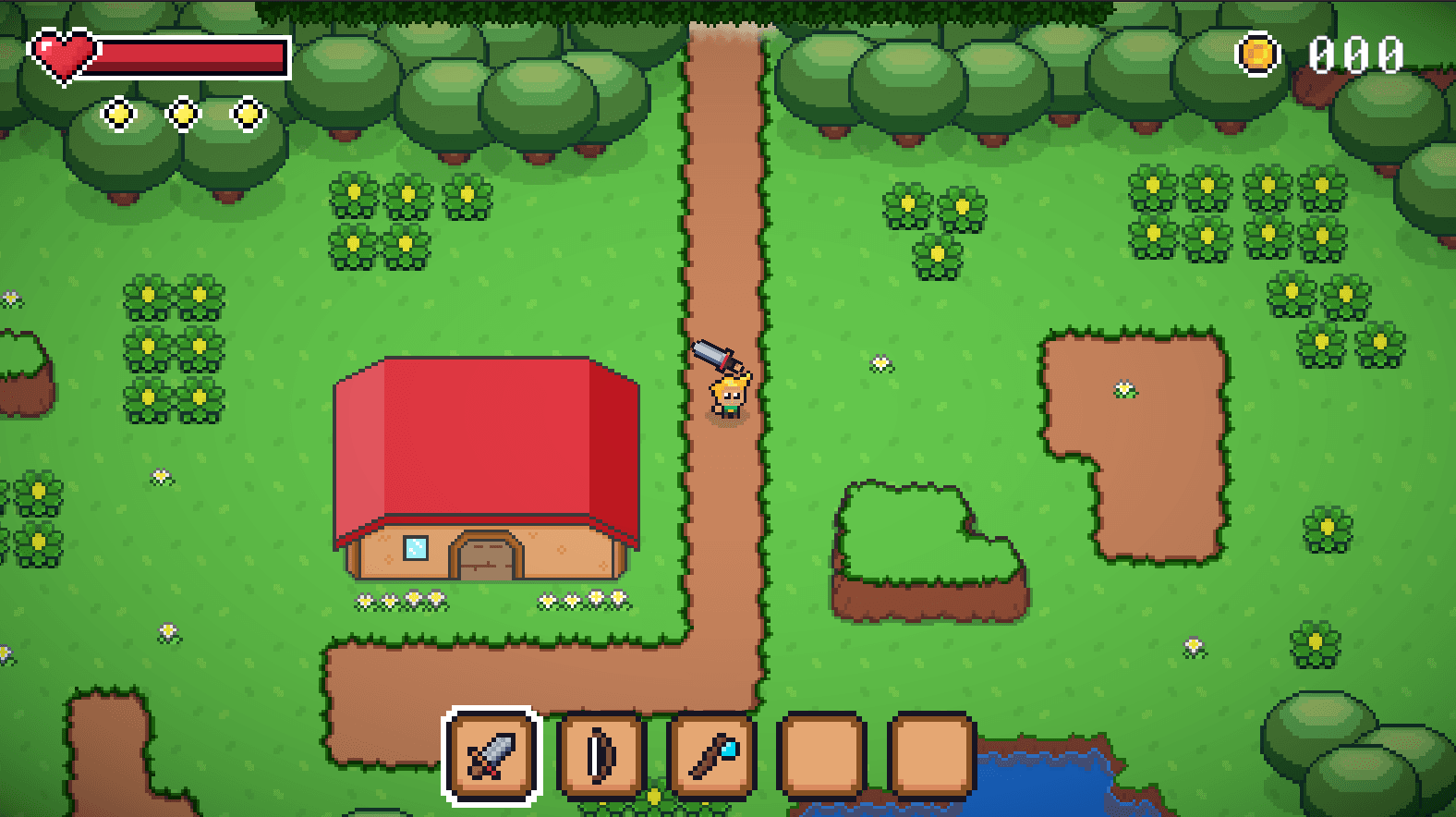
Top-down RPG world with tile-based level design
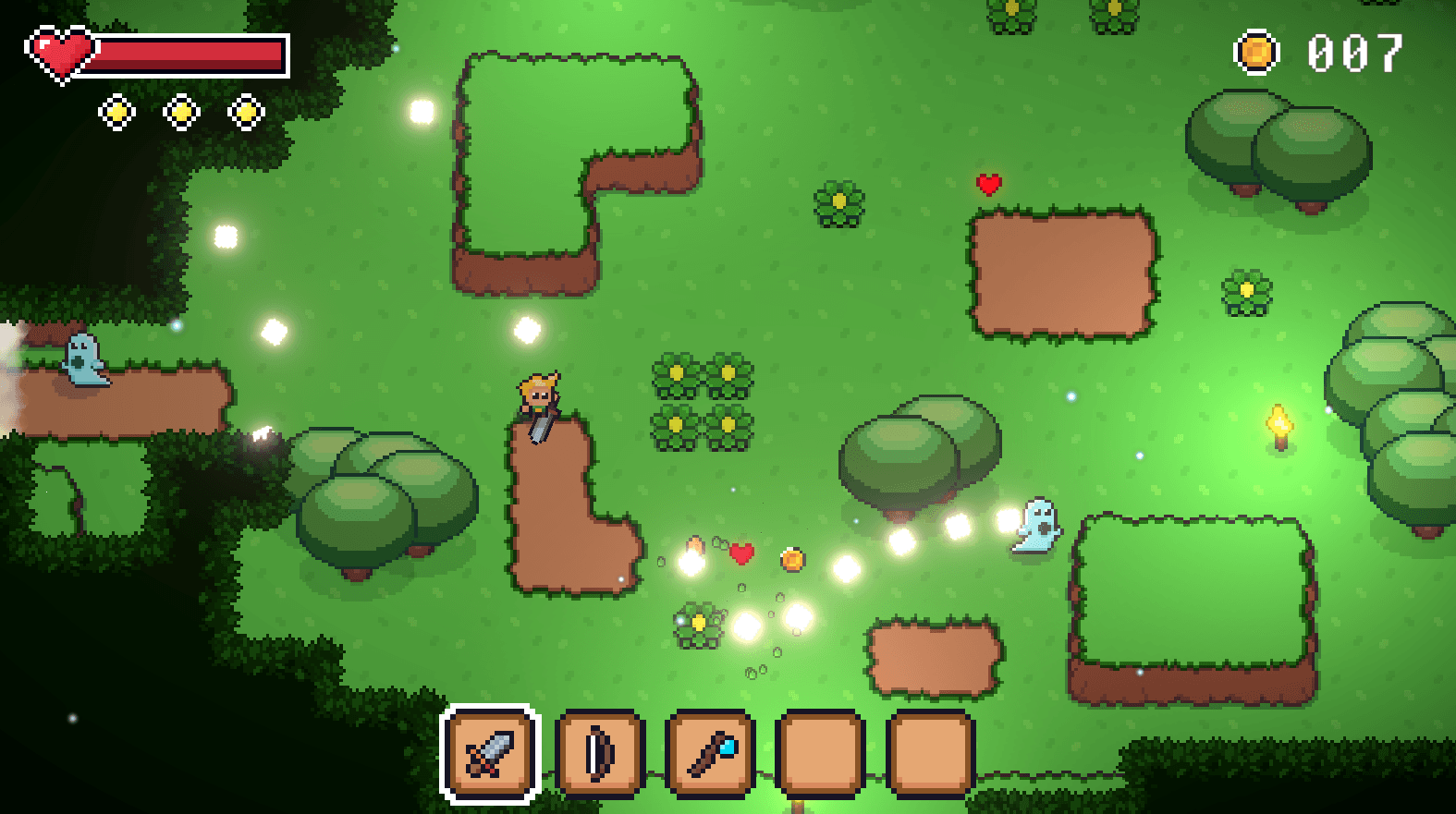
Combat system with projectile mechanics and visual effects
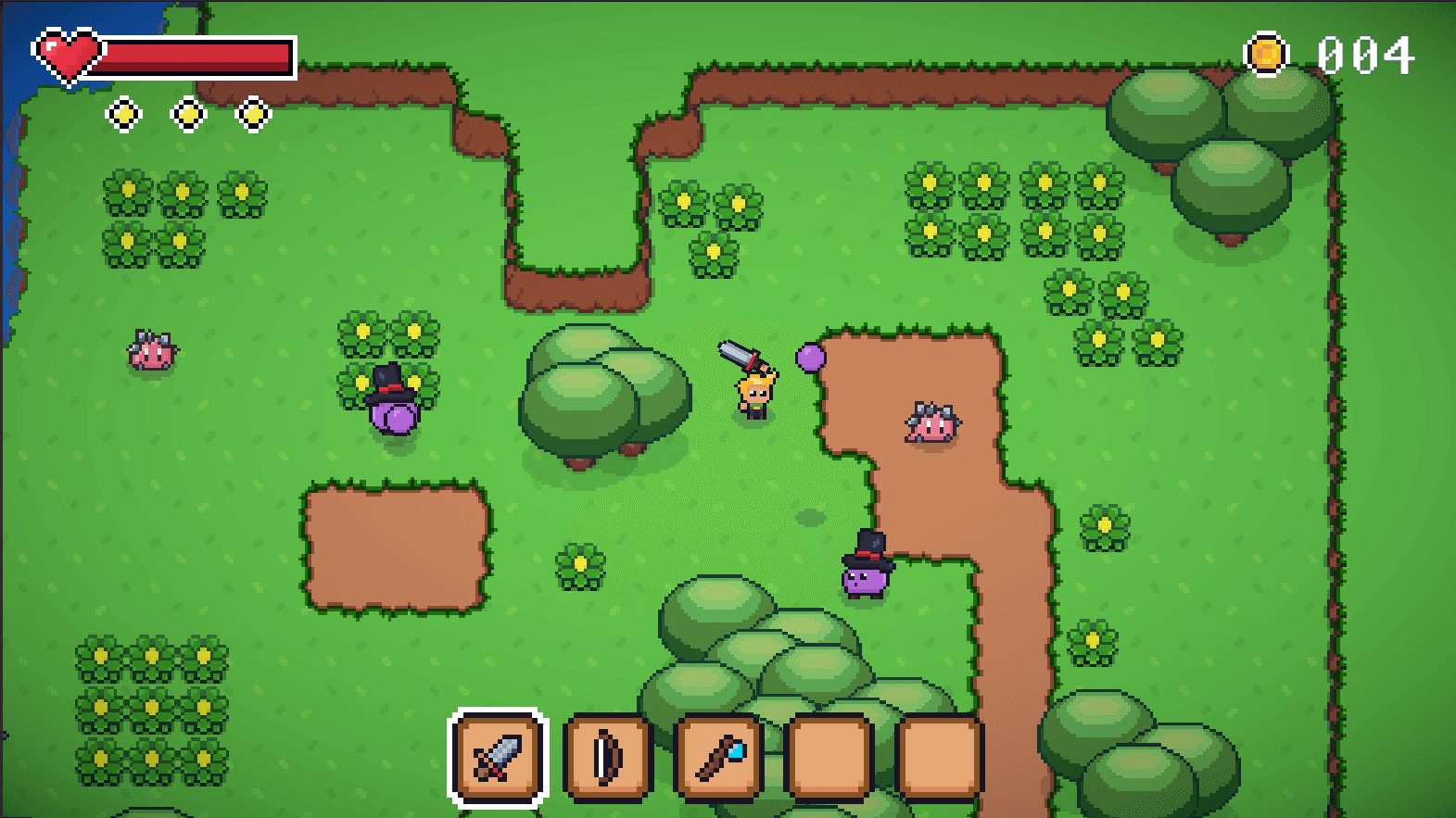
Enemy AI interactions and collectible mechanics
What I Built
- Implemented player movement, directional attacks, and collision-based combat systems.
- Developed enemy behaviors including movement patterns and damage interactions.
- Created a health system with visual feedback and collectible life recovery mechanics.
- Built projectile logic with raycasting and physics-based interactions.
- Designed the game world using Tilemaps, Tile Palettes, and Rule Tiles.
- Structured reusable gameplay elements using Prefabs and modular components.
- Integrated animations for player and enemies using Unity’s Animation system.
- Organized sprite assets and scene hierarchy for maintainability and clarity.
Tech Stack
Game Engine
Programming Language
Game Systems
Architecture Design Decisions
These decisions were intentional to ensure the site feels professional, calm, and easy to navigate:
- Modular world design using Tilemaps and Rule Tiles for scalable level building
- Prefab-based architecture for reusable enemies, projectiles, and interactive objects
- Separation of concerns in gameplay scripts using object-oriented principles
- State-driven player mechanics including movement, attack, health, and damage feedback
- Custom level and environment design built independently using provided sprite assets
Results & Learnings
The project resulted in a functional RPG-style prototype featuring player combat, enemy interactions, collectible systems, health mechanics, and custom world design. It strengthened my understanding of object-oriented programming in C#, scene composition, game loop mechanics, prefab-based modular design, and Unity’s rendering and animation pipelines.